
Recently, multiple cases of sudden cardiac death have drawn widespread concern. Risk factors such as sleep deprivation, high levels of stress, metabolic disorders (e.g., hypertension, hyperlipidemia, and hyperglycemia), and occult coronary heart disease have broadened the population at risk of cardiac events.

What remains little known is that vascular calcification, progressing silently, is a a silent contributor of myocardial infarction and sudden cardiac death. Vitamin K2, a key nutrient, is increasingly recognized for its role in supporting cardiovascular health.
Vascular calcification can be compared to scale buildup in pipes. In its early stages, it is often asymptomatic, but once it progresses, it may become life-threatening. Calcium, which should normally be deposited in the bones, may instead be misdirected into the vascular wall when it is not properly guided. This ectopic deposition causes blood vessels to lose elasticity and become stiff, increasing the risk of coronary artery narrowing, myocardial ischemia, and, in severe cases, cardiac arrest. This is an important pathological mechanism behind the frequent yet often overlooked occurrence of sudden cardiac death.
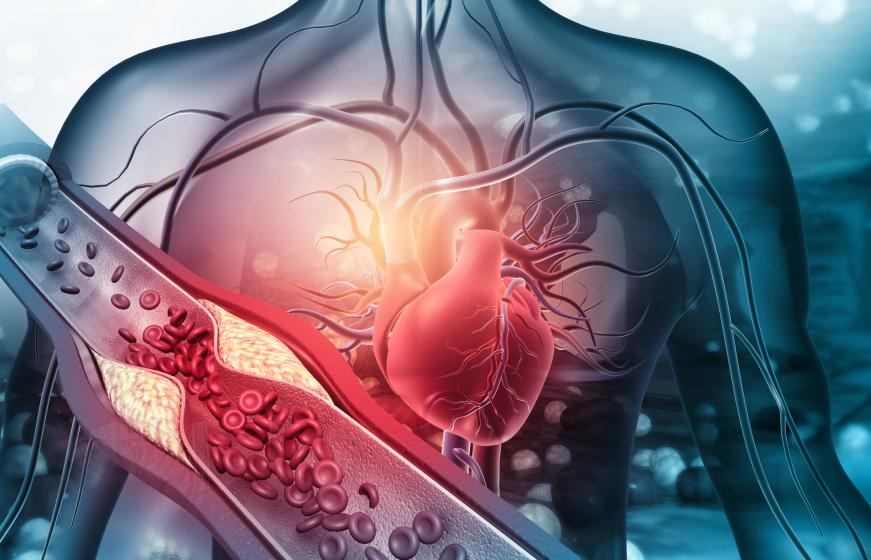
Vitamin K2 plays a key role in regulating calcium metabolism. It activates matrix Gla protein (MGP), a potent inhibitor of vascular calcification, thereby helping direct calcium to the bones and reducing its deposition in blood vessels. In this way, vitamin K2 helps maintain vascular elasticity and support normal vascular function[1]. Evidence from the Rotterdam prospective cohort study[2], which included 4,807 community-dwelling adults aged 55 years and older with no history of myocardial infarction at baseline and an average follow-up of 7.2 years, showed that a daily vitamin K2 intake of approximately 30 μg was associated with a 52% lower risk of aortic calcification and a 57% lower risk of coronary heart disease mortality. These findings provide important evidence supporting the potential role of vitamin K2 in cardiovascular protection, which may be relevant to reducing the risk of severe outcomes such as sudden cardiac death.
In modern society, vitamin K2 insufficiency is common due to a monotonous diet, the widespread consumption of highly processed foods, and the neglect of K2 supplementation while taking calcium supplements. As a result, the phenomenon of “calcium going to the wrong place” has become increasingly common. People with hypertension, hyperlipidemia, and hyperglycemia, professionals who stay up late for long periods, middle-aged and elderly people, and those who routinely take calcium supplements are all high-risk groups for vitamin K2 deficiency, and they are also in urgent need of strengthened prevention against sudden cardiac death.

As a company that has been deeply engaged in the nutrition and health industry for more than 20 years, Licen Nutrition has introduced RiviK2®, a patented natural vitamin K2 (MK-7), featuring high purity, high activity, and high stability, and providing solid support for cardiovascular health:
● Produced by fermentation to obtain all-trans MK-7 with a purity of over 98%, ensuring a natural and pure product.
● Produced using supercritical extraction technology without organic solvents for greater safety.
● Applying microencapsulation technology to improve the stability of vitamin K2 in calcium–magnesium systems, making it suitable for diverse formulation needs.

Sudden cardiac death is often difficult to guard against, and prevention remains the most fundamental approach. In addition to maintaining a healthy routine, controlling hypertension, hyperlipidemia, and hyperglycemia, and undergoing regular health check-ups, ensuring adequate vitamin K2 intake as an essential lesson in cardiovascular health can help keep blood vessels more flexible and the heart safer, and is the most responsible way to safeguard the health of oneself and one’s family.
[1]El Asmar MS, Naoum JJ, Arbid EJ. Vitamin k dependent proteins and the role of vitamin k2 in the modulation of vascular calcification: a review. Oman Med J. 2014 May;29(3):172-7
[2]Geleijnse, J. M., Vermeer, C., Grobbee, D. E., Schurgers, L. J., Knapen, M. H. J., van der Meer, I. M., Hofman, A., & Witteman, J. C. M. (2004). Dietary intake of menaquinone is associated with a reduced risk of coronary heart disease: The Rotterdam Study. The Journal of Nutrition, 134(11), 3100–3105.